
 Connect With Our Team
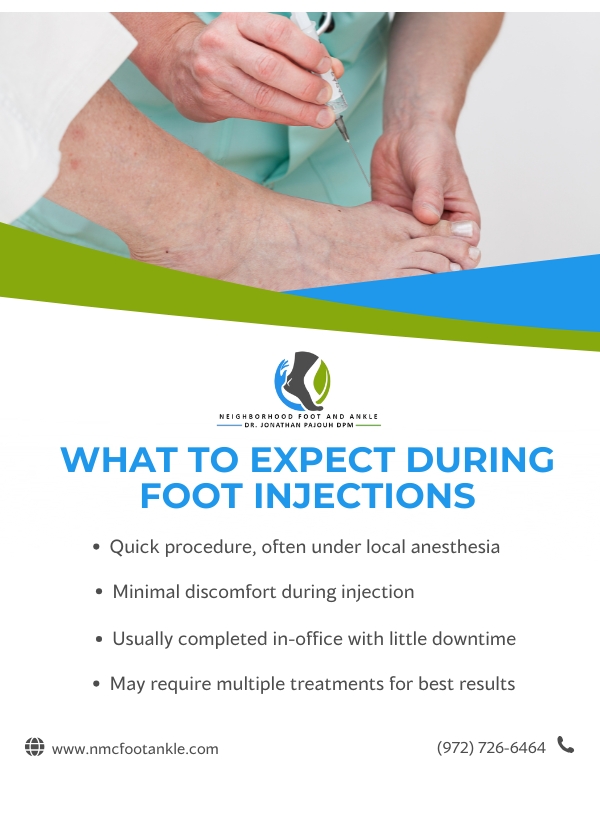
Did you know that foot injections can significantly alleviate pain from conditions like plantar fasciitis and arthritis? For many patients, understanding the process and expectations surrounding these minimally invasive procedures is essential. At NMC Foot & Ankle, Dr. Pajouh offers in-office foot injections designed to reduce inflammation, relieve discomfort, and support long-term healing. In this article, we’ll cover everything you need to know about foot injections—including the procedure, recovery, and expected outcomes—so you can feel confident taking the next step toward lasting relief and improved mobility.
Understanding Foot Injections: A Detailed Overview
Foot injections are an effective treatment option designed to relieve pain and inflammation associated with various foot and ankle conditions. Commonly utilized for issues such as plantar fasciitis, arthritis, and other inflammatory disorders, these injections can be a game-changer for many patients.
What Are Foot Injections?
Foot injections typically consist of corticosteroids, local anesthetics, or other medications aimed at reducing pain and inflammation. Given the sensitive nature of the foot and ankle, achieving relief through injections can often be preferable to more invasive surgical procedures.
Common Conditions Treated
Before diving into the procedure's specifics, let's explore the conditions commonly treated with foot injections:
- Plantar Fasciitis: This painful condition affects the tissue at the bottom of the foot, causing heel pain.
- Arthritis: Inflammation in the joints of the foot and ankle can lead to pain and limited mobility.
- Tendinitis: Inflammation of the tendons can interfere with daily activities and physical performance.
What to Expect During the Procedure
Many individuals experiencing foot pain may wonder what to expect during a foot injection. Here’s a step-by-step breakdown:
1. Preparation: Upon arriving for your appointment at NMC Foot & Ankle, the medical staff will discuss your symptoms and medical history. During this time, it's an excellent opportunity to ask any questions you might have.
2. Clinical Examination: Dr. Pajouh will perform a thorough examination of your foot or ankle to ascertain the injection site.
3. Anesthesia Application: Before administering the injection, the Dr. Pajouh may apply a local anesthetic to minimize discomfort. This step aims to ensure your comfort throughout the procedure.
4. The Injection: Dr. Pajouh will carefully inject the medication into the targeted area, often utilizing ultrasound guidance to ensure accuracy. Most patients report minimal discomfort during this step, thanks to the prior anesthesia.
5. Post-Injection Care: After the injection, the Dr. Pajouh may provide you with aftercare instructions. Typically, you can expect to rest for a short period before resuming normal activities.
Recovery and Aftercare: What You Need to Know
Most patients can return to their routine immediately after a foot injection, although some may experience a brief period of recovery. Here are some key points to help manage post-injection care:
- Keep It Rested: After the procedure, try to avoid putting excessive strain on the injected foot. Consider using crutches or a walking boot if recommended.
- Pain Management: You might experience short-term discomfort that can be managed with over-the-counter pain medications like ibuprofen or acetaminophen.
- Follow-Up Appointments: Scheduling follow-up appointments is essential to monitor your progress. Your doctor may recommend additional injections if necessary.
Multiple Treatments for Optimal Results
In many cases, patients find the most effective relief comes from multiple injections spaced weeks apart. Discuss with your doctor the total number of treatments suitable for you. Over time, consistent injections might help reduce inflammation and prevent pain from returning.
Benefits of Early Treatment
For many foot conditions, seeking early treatment through injections can lead to faster recovery times and improved outcomes. Many patients find that tackling their issues sooner rather than later can drastically enhance their overall quality of life.
Conclusion: Why Foot Injections May Be Right for You
Understanding what to expect during a foot injection is crucial for anyone dealing with foot pain and related issues. From the quick procedure to tailored aftercare, foot injections can provide a viable path to relief and improved mobility. If you are experiencing persistent foot pain or discomfort, we encourage you to consult with a qualified doctor such as Dr. Jonathon Pajouh at NMC Foot & Ankle.
Additional Considerations
While foot injections can be a highly effective treatment modality, every patient's situation is unique. Be sure to have a candid conversation with your healthcare provider about your specific circumstances, medical history, and treatment options.
Resources for Further Learning
If you're looking to dig deeper into foot health, consider exploring resources from reputable medical websites or seeking literature regarding foot and ankle anatomy. Gaining insights into how your feet function can empower you to make informed decisions regarding treatment options.