
 Connect With Our Team
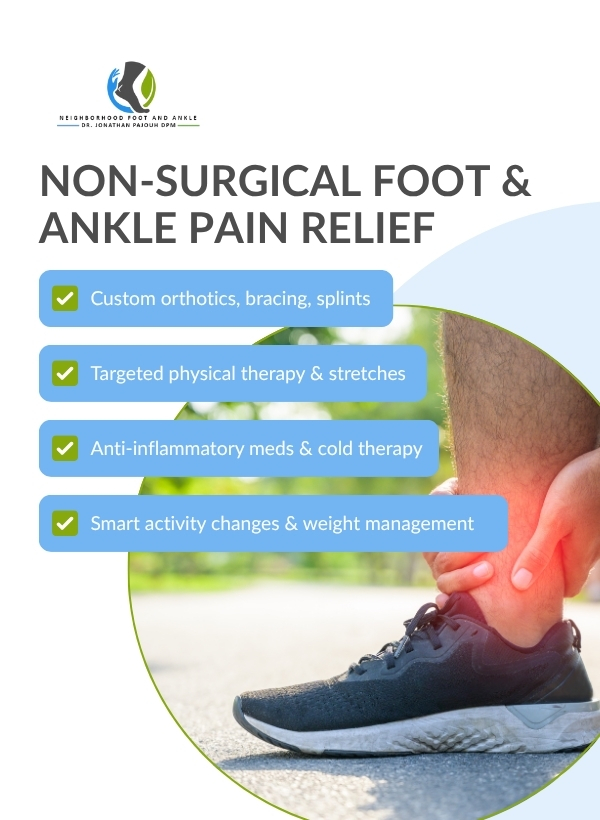
Did you know that around 77% of adults experience foot pain at some point? Foot and ankle pain can seriously affect your quality of life, limiting mobility and daily activities. Thankfully, relief doesn’t always require surgery. At NMC Foot & Ankle Center, Dr. Pajouh offers effective non-surgical treatments like custom orthotics, physical therapy, and lifestyle changes. In this post, we’ll explore these options so you can regain comfort and move freely—without the need for surgery.
Understanding Foot and Ankle Pain
Foot and ankle pain can stem from a variety of causes including overuse, injury, or chronic conditions such as arthritis or diabetes. The pain can range from mild discomfort to debilitating agony preventing you from engaging in your daily activities or sports.
Common Causes
1. Flat Feet or High Arches: Both of these can cause imbalance and lead to strains.
2. Plantar Fasciitis: Characterized by inflammation of the plantar fascia tissue connecting the heel to the toes.
3. Achilles Tendinitis: Involves inflammation of the Achilles tendon, often seen in runners and athletes.
4. Bursitis: Caused by inflammation of the bursae, tissue-filled sacs that cushion joints.
5. Arthritis: Inflammation of joints can lead to chronic pain and reduced mobility.
Understanding the underlying cause of your pain is crucial in determining the most effective treatment.
Non-Surgical Treatment Options
Non-surgical treatments provide effective avenues for pain relief and rehabilitation without the risks associated with surgery.
1. Custom Orthotics
One of the best ways to address foot pain is through custom orthotics. These are tailored shoe inserts designed to support the arch of your foot and redistribute pressure. An experienced podiatrist, such as Dr. Pajouh, can assess your foot structure and gait to provide orthotics that meet your unique needs, alleviating pain from conditions like plantar fasciitis or flat feet.
Benefits of custom orthotics:
- Improved alignment
- Better shock absorption
- Decreased strain on joints
2. Bracing and Splinting
Bracing and splinting can help stabilize the foot and ankle, preventing movement that could exacerbate injuries. Whether you're dealing with a sprain, tendonitis, or recovering from injury, a brace can enhance healing while allowing you to maintain some activity. Splints support specific areas and alleviate pressure from inflamed or injured tissues, providing comfort and protection.
3. Targeted Physical Therapy
Physical therapy is a cornerstone of non-surgical treatment. Targeted exercises can strengthen the muscles that support the foot and ankle, improve range of motion, and promote faster healing from injuries.
- Stretching Exercises: Focus on the Achilles tendon and plantar fascia can work wonders.
- Strengthening Routines: Develop the intrinsic muscles of your feet enabling better support.
- Balance Training: Improve stability to prevent future injuries.
Working with a trained physical therapist ensures that you get a personalized plan that addresses your specific needs.
4. Anti-Inflammatory Medications
For acute pain relief, over-the-counter medications such as ibuprofen or naproxen can be effective. They reduce pain and inflammation, allowing you to engage in therapy or maintain a higher level of daily activity.
Lifestyle Adjustments
Making small changes in your daily routine can have a big impact on foot and ankle health.
1. Weight Management
Excess weight can lead to increased strain on your feet and ankles. Working towards a healthy weight through balanced nutrition and exercise reduces pressure on these critical structures, ultimately alleviating pain.
2. Appropriate Footwear
Wearing the right shoes plays a significant role in foot health. Shoes should provide excellent support and cushioning.
- Opt for styles with arch support and shock-absorbent soles.
- Avoid high heels or unsupportive flip-flops.
3. Activity Modification
Listen to your body. If certain activities cause pain, consider modifying them to include more low-impact options like swimming or biking. Gradually increase activity levels as discomfort decreases.
Conclusion: Your Journey to Pain-Free Feet
The combination of non-surgical treatments can significantly enhance your quality of life. Whether it’s through custom orthotics, physical therapy, or lifestyle changes, you now have the tools to take control of your foot and ankle pain.
Schedule Your Appointment
Take the first step towards a better quality of life! To explore your non-surgical treatment options further, contact NMC Foot & Ankle Center today!