
 Connect With Our Team
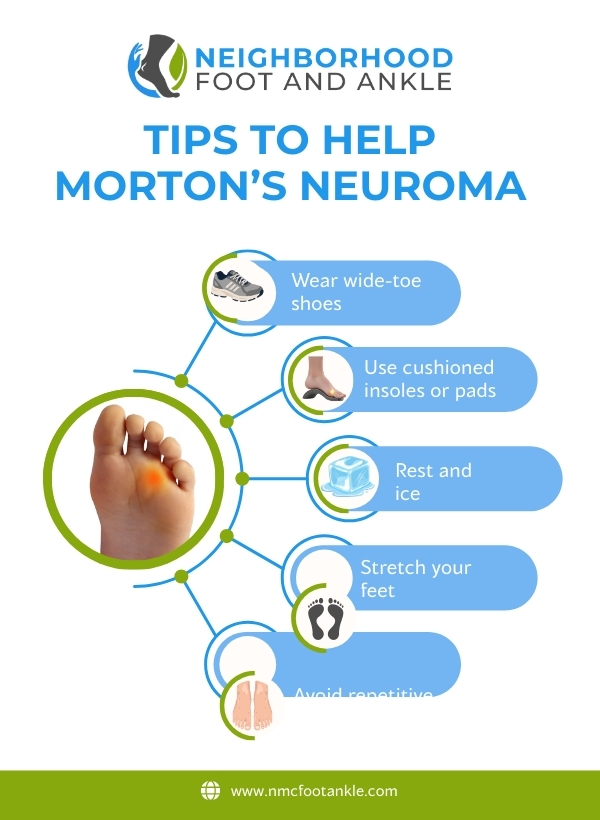
Morton’s neuroma is a common foot condition that occurs when the nerve between your toes becomes irritated or inflamed, often between the third and fourth toes. This irritation can cause sharp, burning pain, tingling, or numbness in the ball of your foot, making walking, running, or even standing uncomfortable. While the condition can be frustrating, effective management strategies exist, and early intervention can prevent the problem from worsening.
At NMC Foot & Ankle in Dallas, podiatrists Dr. Jonathan Pajouh, DPM, and Dr. Devaraju, DPM, see patients experiencing Morton’s neuroma regularly. They emphasize that proper footwear, supportive orthotics, and personalized care plans can dramatically reduce pain and improve mobility.
Common Symptoms of Morton’s Neuroma
Identifying Morton’s neuroma early helps patients find relief faster. Common signs include:
- Sharp, burning pain in the ball of the foot
- Tingling or numbness between the toes
- Pain that worsens when wearing tight or high-heeled shoes
- Discomfort that improves when massaging the foot or removing shoes
- A feeling of “walking on a pebble” under the foot
Anyone experiencing these symptoms should consider a professional evaluation to confirm the diagnosis and develop a treatment plan.
Causes and Risk Factors
Morton’s neuroma develops when pressure or repeated irritation affects the nerves that run between the toes, most commonly between the third and fourth toes. Wearing tight or narrow shoes that compress the forefoot, frequent use of high heels that place added stress on the ball of the foot, and participation in high-impact or repetitive activities such as running or jumping can all increase the risk.
Foot structure also plays a role, as conditions like bunions, hammertoes, or flat feet can place extra pressure on the nerve. Understanding these contributing factors can help guide footwear choices and treatment options that reduce irritation and support long-term foot health.
Footwear and Orthotics: First Steps in Relief
One of the simplest yet most effective ways to manage Morton’s neuroma is by addressing footwear. Shoes that provide ample space in the toe box, cushioning, and support help reduce pressure on the nerve and minimize pain. At NMC Foot & Ankle, Drs. Pajouh and Devaraju evaluate your feet and can recommend shoes and custom orthotic inserts designed to protect the forefoot and reduce stress on the nerves.
Tips for footwear and orthotics include:
- Wide-toe shoes: Avoid narrow, pointed, or high-heeled shoes that compress the forefoot
- Cushioned insoles or pads: Help absorb impact and reduce pressure on the nerve
- Custom orthotics: Designed to fit your foot’s unique shape, providing long-term relief and alignment support
Lifestyle Adjustments and Home Care
In addition to footwear, simple lifestyle changes can help manage symptoms:
- Rest and ice: Reduce inflammation after prolonged walking or standing
- Gentle foot stretches: Stretching the toes and forefoot can relieve tension
- Activity modification: Avoid high-impact exercises that aggravate the forefoot
- Massage and foot exercises: Encourage circulation and reduce nerve irritation
These measures can provide relief, but they work best alongside professional evaluation and treatment.
Advanced Treatment Options for Lasting Relief
When Morton’s neuroma symptoms continue despite conservative care, additional treatment may be recommended to reduce pain and protect long-term foot health. At NMC Foot & Ankle in Dallas, Drs. Pajouh and Devaraju offer personalized treatment options based on the severity of symptoms, activity level, and foot structure.
- Targeted injections to help reduce inflammation and relieve nerve irritation
- Prescription orthotics designed to support proper alignment and reduce pressure on the affected area
- Physical therapy and stretching guidance to improve foot function and prevent symptom flare-ups
- Surgical consultation, considered only when noninvasive treatments have not provided adequate relief
This individualized approach helps ensure patients receive effective care aimed at lasting relief and improved comfort during everyday activities.
Taking Action: Protect Your Feet
Ignoring Morton’s neuroma can lead to chronic pain, altered gait, or worsening foot problems. Early intervention can prevent complications and restore comfort in daily activities. Whether it’s adjusting your footwear, using orthotics, or starting a tailored treatment plan, proactive care is essential.
At NMC Foot & Ankle in Dallas, Drs. Pajouh and Devaraju are dedicated to helping patients manage foot pain, improve mobility, and maintain healthy feet. Their expertise ensures each patient receives a comprehensive approach to treatment, combining conservative care, lifestyle guidance, and advanced therapies when needed.
Comfort Starts with the Right Care
Don’t let Morton’s neuroma limit your daily life or keep you from staying active. With the right footwear, pressure-relieving support, and personalized treatment, many people are able to manage symptoms and prevent the condition from worsening.
At NMC Foot & Ankle in Dallas, Drs. Pajouh and Devaraju provide comprehensive evaluations and treatment plans tailored to your needs. From footwear guidance and custom orthotics to advanced therapies when necessary, their goal is to reduce pain, protect your feet, and help you move comfortably again. With early care and expert support, you can return to the activities you enjoy with greater confidence and long-term foot health.