
 Connect With Our Team
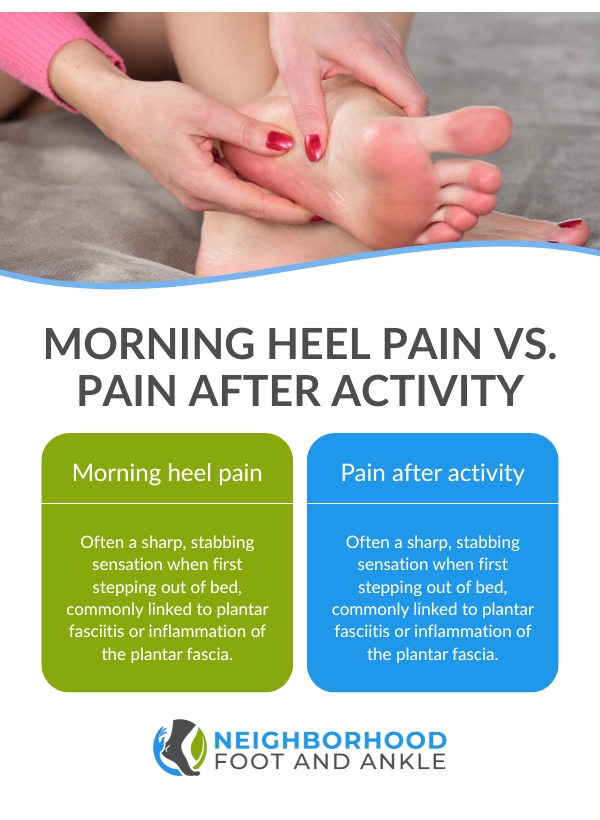
Heel pain is one of the most common foot complaints among adults, but it does not always feel the same—or come from the same cause. The timing of heel pain, especially when it first appears or worsens, often provides important clues about what is happening beneath the surface. Paying attention to these patterns can help guide proper treatment and prevent the issue from becoming chronic.
Many people ignore early heel discomfort, assuming it will resolve on its own. However, persistent or recurring heel pain often signals inflammation, overuse, or structural strain that benefits from professional evaluation. Understanding when heel pain occurs is a key part of identifying the underlying cause.
At NMC Foot & Ankle in Dallas, Texas, heel pain is evaluated based on both symptoms and daily movement patterns to support accurate diagnosis and long-term relief.
Why Does Heel Pain Feel Worse in the Morning?
Morning heel pain is commonly described as a sharp or stabbing sensation when taking the first steps out of bed. This pattern is most often linked to plantar fasciitis, a condition involving inflammation of the plantar fascia, the thick band of tissue that supports the arch and connects the heel to the toes.
This type of heel pain typically occurs because:
- The plantar fascia relaxes and shortens during sleep
- Sudden stretching with first steps places stress on inflamed tissue
- Pain is often sharp at first, then eases as the foot warms up
- Discomfort may return later if inflammation remains untreated
Morning heel pain often develops gradually and may be worse after long periods of rest, such as sitting or driving. Ignoring these early warning signs can allow inflammation to persist and become more difficult to resolve over time.
What Does Heel Pain After Activity Mean?
Heel pain that develops during or after activity tends to feel different from morning pain. Instead of sharp pain with first steps, patients often notice a dull ache, throbbing sensation, or deep soreness that worsens with movement.
Activity-related heel pain may be associated with:
- Overuse or repetitive stress on the heel
- Prolonged walking, running, or standing
- Strain on surrounding muscles and soft tissues
- Irritation of the heel’s natural fat pad or early joint changes
This type of pain may initially appear only after intense or extended activity, but without proper care, it can begin to interfere with everyday movement. Footwear, walking surfaces, and individual foot mechanics all influence how stress is distributed through the heel.
Dr. Devaraju explains, “The timing of heel pain is one of the most helpful clues we have. Whether pain appears first thing in the morning or after activity often points us toward the underlying cause.”
Understanding Heel Pain Patterns
Understanding when heel pain occurs helps narrow down the source of irritation and prevents treatment from being based on guesswork. Morning pain and post-activity pain often require different approaches, even though both affect the same area of the foot. At NMC Foot & Ankle, our lisenced podiatrist consider when heel pain begins, what activities or periods of rest worsen symptoms, how foot structure and gait influence stress on the heel, and whether early signs of inflammation or mechanical strain are present. This detailed approach allows treatment plans to address the root cause rather than simply masking symptoms.
When to Seek an Evaluation
Heel pain that lingers, worsens, or begins to interfere with daily movement should not be ignored. Early evaluation can help prevent chronic inflammation and reduce the risk of long-term discomfort.
At NMC Foot & Ankle, Dr. Pajouh and Dr. Devaraju and the care team focus on identifying why heel pain is occurring and how to restore comfort safely and effectively. Addressing heel pain early often leads to faster relief and better long-term outcomes.
If you are experiencing heel pain that does not improve with rest or continues to return, scheduling a professional evaluation can help protect your feet and keep you moving comfortably.