
 Connect With Our Team
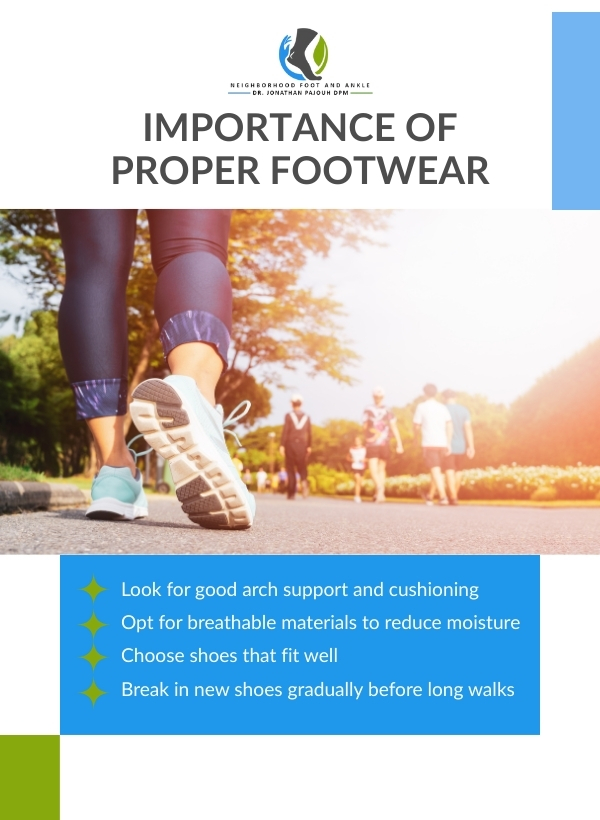
As the weather cools and the days grow shorter, fall invites us outdoors for crisp walks, weekend hikes, and seasonal activities. From enjoying local trails to cheering on your favorite football team, your feet are working hard to carry you through it all. But as routines change, many people don’t realize that their footwear might not be giving their feet the support they need.
Poorly fitting or unsupportive shoes can lead to a variety of foot and ankle issues—from blisters and discomfort to long-term conditions like plantar fasciitis, tendonitis, or bunions. Choosing the right footwear is one of the simplest yet most powerful ways to protect your foot health this season.
Why Proper Footwear Matters
Your feet are the foundation of your body. Each step you take puts stress not only on your feet but also on your knees, hips, and back. Supportive shoes help absorb shock, distribute weight evenly, and maintain proper alignment. When shoes don’t fit well or lack support, problems can quickly arise:
-
Heel pain and plantar fasciitis from inadequate arch support
-
Blisters, corns, and calluses from shoes that are too tight or loose
-
Ankle instability from worn-out soles or unsupportive structures
-
Long-term joint pain caused by poor alignment over time
Wearing the right shoes doesn’t just prevent pain today—it helps protect your mobility and independence for years to come. At NMC Foot & Ankle in Dallas, Dr. Jonathan Pajouh sees firsthand how improper footwear contributes to preventable pain and injury. With a few simple guidelines, you can make smart shoe choices that keep you active, comfortable, and injury-free this fall.
Tips for Choosing the Right Shoes This Fall
Here are some tips from the NMC Foot & Ankle team in Dallas:
-
Prioritize Arch Support and Cushioning
Shoes should support the natural arch of your foot and provide enough cushioning to absorb shock. If you have flat feet, high arches, or a history of heel pain, extra support is even more important. Custom orthotics may also be recommended by your podiatrist for additional comfort and protection. -
Make Sure They Fit Properly
Shoes that are too tight can cause blisters, bunions, or ingrown toenails, while loose shoes can create friction and instability. Always try shoes on at the end of the day—when your feet are slightly swollen—to ensure the best fit. You should have about a half-inch of space between your longest toe and the front of the shoe. -
Choose Breathable, Durable Materials
Fall weather can bring both cool mornings and warm afternoons. Shoes made with breathable materials help reduce moisture buildup, lowering your risk of fungal infections and odor. For outdoor activities, look for water-resistant or durable materials that can handle trails and changing weather conditions. -
Break in New Shoes Gradually
Even the best-fitting shoes need a little time to adjust to your feet. Wear new shoes for short periods before committing to a long walk, run, or hike. Breaking them in gradually helps prevent blisters and discomfort.
Common Foot Problems Linked to Poor Footwear
Even with the best intentions, many people underestimate the impact of improper shoes until problems develop. Some of the most common issues includes:
-
Plantar fasciitis – sharp heel pain often linked to unsupportive shoes
-
Achilles tendonitis – inflammation caused by poor cushioning or overuse
-
Bunions and hammertoes – worsened by tight, narrow shoes
-
Stress fractures – small cracks in the bone caused by repetitive impact
-
Toenail fungus – more common in damp, non-breathable footwear
The good news? Many of these problems are preventable with the right shoes and early intervention from a podiatrist. Dr. Jonathan Pajouh helps patients in Dallas address footwear-related issues early, providing treatments and personalized recommendations to prevent pain, protect mobility, and keep you active.
Why Early Care Makes a Difference
Foot pain is never “normal”—even if it seems minor or occasional. Left untreated, small problems can become chronic, affecting your ability to stay active and enjoy the season. That’s why early evaluation matters.
At NMC Foot & Ankle, Dr. Pajouh takes a comprehensive approach to diagnosing and treating foot pain. Whether you need advice on proper footwear, custom orthotics, or treatment for an injury, his goal is to keep your feet healthy so you can keep moving with confidence.
Step Into Fall Comfortably
Fall is a season for movement, connection, and enjoying the outdoors—not sitting on the sidelines because of foot pain. By choosing supportive shoes and addressing issues early, you can protect your foot health today and for the future.
Your feet carry you through every season of life—make sure you’re giving them the support they deserve.