
 Connect With Our Team
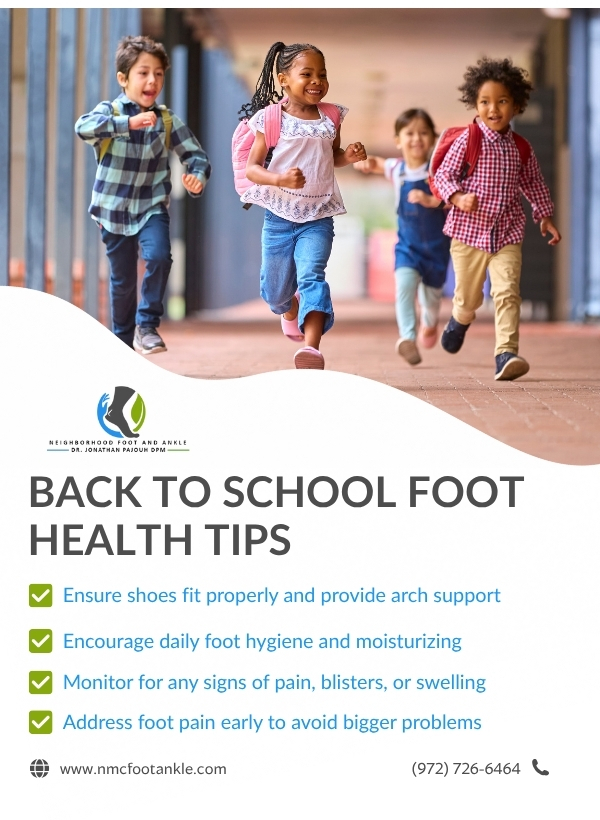
Did you know that nearly 70% of children experience foot problems at some point during their growing years? As the school year approaches, ensuring your child’s foot health is crucial to their comfort, confidence, and performance in school and extracurricular activities. According to Dr. Pajouh at NMC Foot & Ankle Center, untreated foot pain or structural issues can interfere with a child’s ability to stay active and focused. In this post, we’ll share practical back-to-school foot care tips—from proper shoe fitting and hygiene to early signs of concern—so parents can help their kids step into the school year pain-free and prepared.
The Importance of Foot Health for Children
Foot health is often overlooked, but it plays a crucial role in a child's overall development and well-being. Proper foot care can prevent both short-term discomfort and long-term issues that could affect your child's mobility and quality of life. Here are some reasons why monitoring your child's foot health is vital:
1. Physical Development: Healthy feet contribute to better balance and coordination, essential for active children who participate in sports and physical activities.
2. Preventing Injuries: Timely attention to foot problems, such as blisters or improper fitting shoes, can prevent more severe injuries in the active lifestyle of your child.
3. Comfort and Confidence: Children who are free from foot pain or discomfort can focus better at school, perform better in sports, and enjoy an overall higher quality of life.
Selecting the Right Shoes
One of the most critical aspects of maintaining your child's foot health is ensuring they wear the right shoes. Improper footwear can lead to various foot problems, including blisters, ingrown toenails, and even structural deformities.
Key Shoe Attributes to Consider:
- Proper Fit: Make sure that shoes fit snugly but not too tightly. There should be around a thumb's width of space between the tip of the longest toe and the end of the shoe.
- Arch support: Look for shoes with built-in arch support suited to your child's foot type—flat, neutral, or high-arched.
- Durability: Shoes made from durable materials are crucial as children often put their footwear through rigorous activities.
- Lightweight and flexible: A lightweight shoe that allows for natural foot movement promotes better balance and comfort.
When shopping for shoes, involve your child in the process to confirm comfort and style; this engagement can also encourage them to take better care of their footwear.
Daily Foot Hygiene
Daily hygiene is essential to keep your child's feet clean, dry, and healthy. Just as with any other part of the body, neglecting foot hygiene can lead to infections, odor, and other issues.
Foot Hygiene Checklist:
- Wash Daily: Encourage your child to wash their feet at least once a day using soap and warm water to remove dirt and sweat. Pay special attention to the areas between the toes.
- Dry Thoroughly: After washing, make sure to dry the feet completely, especially between the toes, to prevent fungal infections such as athlete's foot.
- Moisturize: Use a gentle moisturizing lotion on the feet to keep the skin soft and prevent cracking, especially in dry months. Avoid putting lotion between the toes since moisture in these areas can lead to fungal growth.
Monitoring Foot Health
Awareness of your child's foot health includes monitoring for changes or signs of discomfort. Encourage your kids to express how their feet feel when immersed in activities like running or jumping. Don't hesitate to reach out to NMC Foot & Ankle for an evaluation.
Signs of Foot Problems:
- Pain: Listen to your child when they complain about foot pain. Persistent pain may indicate a need for evaluation by a healthcare professional.
- Blisters and Calluses: Watch for blisters or calluses, which often indicate friction or pressure in the shoes.
- Swelling: Unexplained swelling in the feet can be an indication of underlying issues that need timely intervention.
- Changes in Color or Temperature: Odd color changes or temperature differences in toes can signal poor circulation or vascular issues.
Addressing Foot Pain Early
If you notice your child complaining about foot pain or exhibiting other signs of discomfort, don’t ignore them. Early intervention is key to resolving foot problems before they escalate to serious conditions.
A podiatrist, such as Dr. Pajouh, can provide specialized insight and recommendations. Depending on the condition, children may require specific treatment plans, orthotics, or customized footwear.
Foot Health Evaluations
As the start of school approaches, consider scheduling a foot health evaluation for your child. Specialists in podiatry can analyze your child’s feet holistically and ensure they are prepared for the physical demands of school and sports.
Tips for Parents and Caregivers:
1. Foster Awareness: Educate your child about how to care for their feet, including checking for injuries or discomfort.
2. Encourage Regular Shoe Checks: Make it a habit to check the fit and condition of their shoes frequently.
3. Talk About Foot Safety: Reinforce the importance of wearing appropriate shoes during physical activities.
This foot care routine can not only aid in achieving optimal foot health but also foster a sense of personal responsibility in your child.
Charting the Path to Healthy Feet
As a parent, ensuring your child takes the right steps toward maintaining their foot health is crucial. From selecting suitable footwear and practicing good hygiene to monitoring for pain, you play an essential role in their physical well-being. Foot health is a journey every child should embark on for a more active and fulfilling educational experience.