
 Connect With Our Team
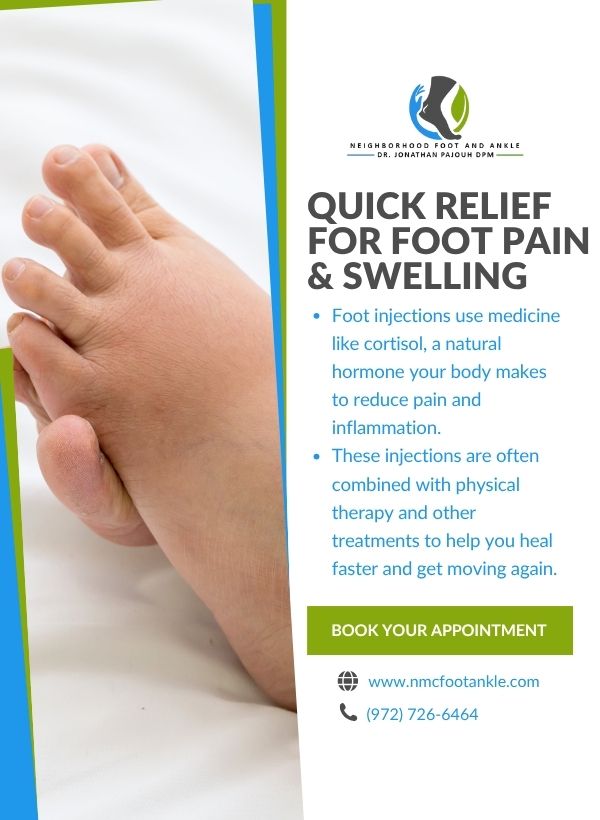
Did you know that approximately 75% of Americans will experience foot problems at some point in their lives? With such a high number, understanding how to alleviate foot pain and swelling becomes crucial for maintaining mobility and overall quality of life. In this guide, we’ll delve into effective methods for quick relief, including the role of foot injections with cortisone, and how they work in conjunction with physical therapy. You'll also learn about personalized approaches to manage pain, helping you return to your daily activities with renewed vigor.
Understanding Foot Pain and Swelling
Foot pain and swelling can result from various causes, including injury, overuse, and underlying medical conditions. These issues can affect anyone, from athletes to those with sedentary lifestyles. Common causes of foot pain include:
1. Plantar Fasciitis: This condition occurs when the ligament on the bottom of the foot, known as the plantar fascia, becomes inflamed.
2. Bunions: A bony bump at the base of the big toe that can cause discomfort and swelling.
3. Arthritis: Inflammation of the joints can manifest as swollen feet and pain.
4. Tendinitis: Irritation of the tendons in your feet can lead to significant discomfort.
5. Injuries: Sprains, fractures, or other injuries can cause acute pain and swelling.
With proper understanding, we can address these ailments effectively.
The Role of Foot Injections
Foot injections can be an excellent conservative option for those experiencing acute pain and swelling. Cortisol injections are a common treatment approach to combat the pain and inflammation effectively.
What Are Cortisol Injections?
Cortisol is a hormone produced naturally by the adrenal glands that helps reduce inflammation. When injected into painful areas of the foot, it can provide significant pain relief. Here’s how it works:
1. Fast Acting: Cortisol injections can start to relieve pain quickly, often within a few days. This is paramount for someone needing immediate relief.
2. Localized Treatment: By targeting the specific area of discomfort, injections help reduce inflammation right where it hurts most.
3. Combination Therapy: These injections often accompany other treatment methods, including physical therapy, to enhance healing and recovery.
How Do Injections Work?
When you receive a coristol injection, the following occurs:
1. The Medication is Administered: The doctor injects cortisol directly into the affected area. This could be around joints or soft tissues.
2. Reduction in Inflammation: Cortisol acts to lower the inflammatory response in the area, alleviating pressure and pain.
3. Enhanced Recovery: Combined with physical therapy, the overall treatment plan targets underlying issues to prevent recurrence.
Preparing for Your Injection
Before receiving a foot injection, here’s what to expect:
1. Discussion of Medical History: Dr. Pajouh will discuss your medical history, current medications, and previous treatments.
2. Physical Examination: A thorough physical exam will identify the specific areas affected and guide the treatment plan.
3. Pre-Injection Care: Dr. Pajouh may give you advice on what to do before the injection, such as avoiding blood thinners or any medications that could increase bleeding.
Post-Injection Care
To maximize the effectiveness of cortisone injections, follow these care tips:
1. Rest: Allow your foot to rest immediately after the injection. Avoid high-impact activities.
2. Ice the Area: Applying ice packs can help reduce swelling and numb the pain.
3. Monitor Symptoms: Keep track of your symptoms and any changes you experience after the injection, reporting back to your doctor with any significant effects.
Integrating Physical Therapy
Physical therapy can significantly enhance recovery and improve the effectiveness of the treatment. Here’s how:
1. Personalized Programs: A physical therapist will design a program specific to your needs, focusing on strengthening the muscles around the foot.
2. Restoration of Function: Over time and with specialized exercises, you can restore functionality to the foot and reduce the risk of future injuries.
3. Pain Management Techniques: Therapists can teach you methods to manage pain during activities, thereby preventing further swelling and discomfort.
Additional Self-Care Strategies
While professional treatments are vital, self-care plays a critical role in rehabilitation. Consider these strategies:
1. Foot Elevation: Whenever possible, elevate your feet to reduce swelling.
2. Compression: Wearing compression socks or wraps can help control swelling.
3. Appropriate Footwear: Wearing supportive shoes that fit well can alleviate undue pressure on your feet.
4. Regular Stretching: Engaging in regular stretching exercises can improve flexibility and reduce the risk of injuries.
When to Seek Further Help
While many foot issues can be addressed through conservative methods, certain signs indicate it’s time to consult a healthcare professional such as Dr. Pajouh:
1. Persistent Pain: If pain does not improve or worsens despite treatment, consult a specialist.
2. Inability to Walk: If you cannot bear weight on your foot, seek immediate medical attention.
3. Redness and Heat: If swelling is accompanied by increased redness, warmth, or fever, these could signal an infection.
Conclusion: Taking the Next Steps Towards Relief
So, where do we go from here? Understanding the options available for quick relief from foot pain and swelling is your first step toward recovery. With effective treatment solutions like cortisone injections and incorporating physical therapy, you can reduce pain, restore functionality, and enhance your overall quality of life. Dr. Pajouh at NMC Foot & Ankle Center is here to support you every step of the way!
Schedule Your Appointment:
Contact Us – Reconstructive Podiatric Foot & Ankle Surgeon, Dallas TX