
 Connect With Our Team
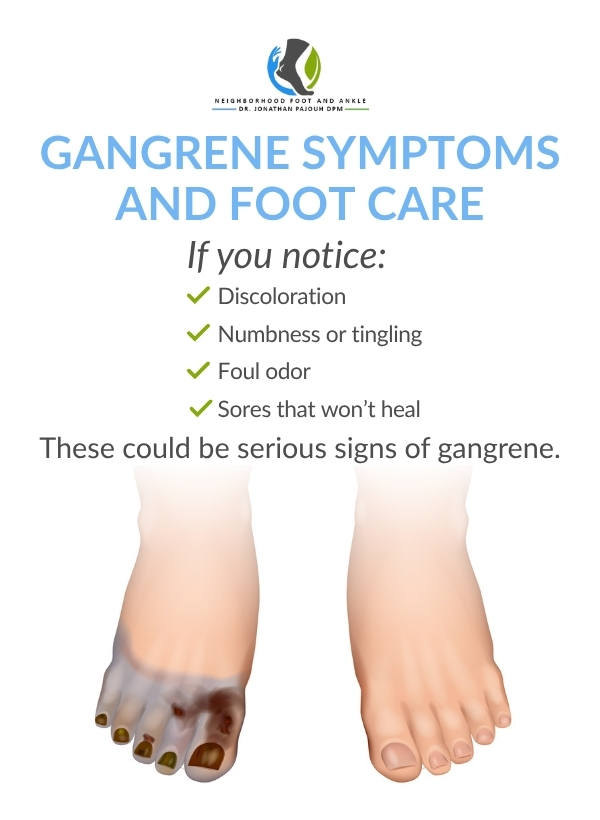
Did you know that gangrene can progress quickly and cause serious complications if untreated? At NMC Foot & Ankle Center, Dr. Pajouh emphasizes the importance of recognizing critical warning signs like discoloration, numbness, foul odor, and non-healing sores—especially for those with diabetes or poor circulation. Gangrene is a serious health risk that requires prompt attention. In this guide, we’ll cover the key symptoms, causes, prevention tips, and when it’s vital to seek expert care to protect your foot health and overall wellbeing.
Understanding Gangrene
Gangrene occurs when body tissue dies due to a lack of blood flow, which may happen due to various reasons, including severe injuries, infections, or chronic health conditions like diabetes. It's essential to recognize the types of gangrene that may occur:
1. Dry Gangrene: This type typically happens when blood flow to a certain area decreases and tissue starts to decay, often seen in those with vascular diseases.
2. Wet Gangrene: This form arises from bacterial infections in the affected tissues, leading to swelling, and often, a foul smell.
3. Gas Gangrene: Caused by bacterial infections characterized by gas bubbles in tissues—often after an injury.
4. Internal Gangrene: Affects internal organs and can be life-threatening if not treated promptly.
Recognizing the symptoms associated with these types is critical. Below we dive deeper into the main warning signs.
Early Warning Signs of Gangrene
1. Discoloration
An important sign of gangrene is the change in color of the skin around the affected area. Healthy skin usually appears normal or rosy, but in cases of gangrene, you might notice:
- A shift towards a brown, black, or purple hue
- Areas of dark green or black indicating dead tissue
This change can often start small but can quickly spread, making an early visit to a physician, such as Dr. Pajouh, vital.
2. Numbness or Tingling
Feeling numbness or tingling, particularly in the extremities (toes and fingers), is another critical sign. This discomfort can stem from compromised blood flow due to various reasons, ranging from nerve damage associated with diabetes to peripheral artery disease.
- It is important to note that any persistent numbness may signal need for medical intervention.
3. Foul Odor
One of the most alarming signs of wet gangrene is the presence of a foul odor emanating from the affected area. This smell is often due to the decomposing tissue or the presence of bacteria. If you or someone you know notices this odor along with other symptoms, it’s imperative to seek medical assistance promptly.
4. Sores That Won’t Heal
Any wounds or injuries that refuse to heal may require immediate examination by a healthcare professional. In the context of diabetic patients, this is particularly concerning. Foot ulcers and other chronic sores are inviting factors for gangrene, making timely treatment crucial.
The Impact of Diabetes and Poor Circulation
Diabetes is one of the most notable risk factors for developing gangrene due to its connection with poor circulation and nerve damage. When blood sugar levels are poorly managed, complications can arise, including:
- Neuropathy: Numbness and tingling that are significant indicators of blood flow issues
- Reduced blood circulation: Essential in delivering oxygen-rich blood to heal tissues
- Delayed healing: Impacts the body’s ability to recover from minor cuts or injuries, making infections more likely.
Behavioral and Lifestyle Factors
In addition to chronic conditions like diabetes, several behavioral factors may elevate the risk of gangrene:
- Smoking: Increases the risk of peripheral artery disease which, in turn, can cause gangrene.
- Poor Diet: A diet high in processed foods and sugars can exacerbate health issues related to diabetes.
- Physical Inactivity: Sedentary lifestyles may contribute to blood circulation concerns.
Recognizing these lifestyle contributions and altering them toward healthier choices can significantly decrease the risk of developing gangrene.